
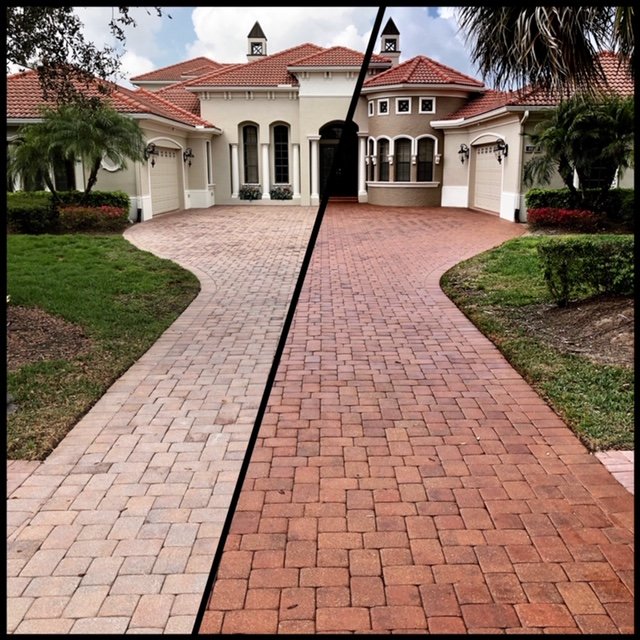
If you seal pavers, concrete, or travertine in Southwest Florida, the first question on most jobs is the same: which product belongs on this surface?
The answer is never “whatever is in the truck.” It depends on the material, the look the customer wants, and how the surface was built.
Here is how Deco 20 Clear, SilaCast BES, TravaCast, and Shine-a-Cast typically fit a job.
Start with the surface, not the sheen
Identify the substrate before you open a bucket. Is it poured or broom-finished concrete? Interlocking pavers on a sand-set base? Thin-set pavers bonded to a slab? Travertine, Spanish tile, or another natural stone?
Porous surfaces and tighter, less porous surfaces do not take product the same way. A sealer that soaks into a concrete paver can sit differently on a denser stone. Thin-set installations over a slab can also hold moisture differently than a traditional sand-set system. Match the product to the substrate first, then talk about sheen.
If you are unsure, check the technical data sheet before you bid.
Deco 20 Clear: protection without changing the look
Deco 20 Clear is a penetrating, reactive sealer made for concrete. Use it when the customer wants protection without shine or a color change—on driveways, patios, sidewalks, foundations, and similar cement surfaces that need help against moisture.
It dries clear and is described as 100% transparent. It can help reduce mildew growth on those surfaces. Because it is a penetrating sealer, it protects from within rather than leaving a coating on top, and it is not meant to create a slippery film or an artificial sheen. Deco 20 needs access to the concrete itself. If an old topical sealer is still on the surface, that film can block the bond. Clean thoroughly, and strip first if a coating is in the way.
SilaCast BES: the workhorse for porous pavers
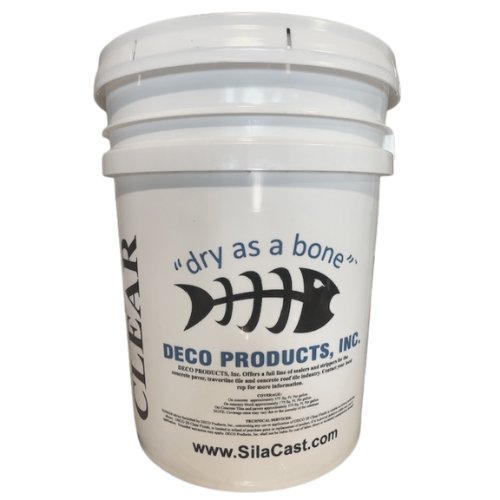
SilaCast BES is the product most applicators reach for on porous concrete pavers and other porous masonry. It is a polymer emulsion designed to enhance and create a wet look on concrete pavers, roof tiles, barrel tiles, and natural stone.
If the customer wants the color to come back—the look of pavers when they are wet—start here. SilaCast penetrates and slightly deepens the natural color. It also offers UV protection under the Southwest Florida sun, and it can help protect against erosion and help keep joint sand in place.
It is also used on stamped concrete, and it can protect travertine when the goal is enhancement rather than a high shine. As it wears, this system is designed so it can be resealed without stripping first, as long as the existing application is still compatible and in good condition. Because it is breathable, moisture vapor has a way out instead of getting trapped under a film—important in Southwest Florida humidity.
TravaCast: shine on tighter stone
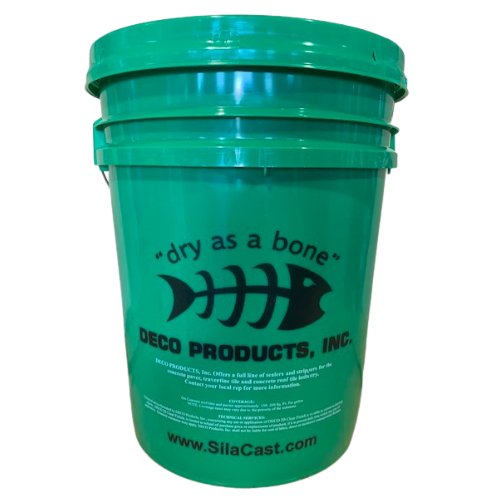
When the customer wants sparkle, TravaCast is built for that look. It is a single-component acrylic sealer designed to protect and enhance non-porous materials such as travertine, Spanish tile, or natural stone. It adds shine and a more vibrant appearance, with strong chemical resistance and durability to water blushing.
On travertine—especially around pools—talk about a non-slip additive before you roll. A glossy surface next to water can become slick. Do not stack TravaCast over an unknown coating. If the old product is failing or cannot be identified, stop and test a small area, then follow the current technical data sheet, especially on a hot Florida afternoon.
Shine-a-Cast: a hybrid when you need more surface hold
Shine-a-Cast is a hybrid sealer. It penetrates to enhance the surface and also leaves a semi-protective layer on top, which produces a higher shine. That topical coverage can help lock in joint sand, and it can revive worn, sun-faded surfaces.
Consider it when a penetrating wet look is not quite enough, or when the job calls for more surface hold and a higher sheen. Because it leaves a layer on the surface, be thoughtful about recoats. Read the data sheet, and do not keep stacking product year after year just because the color has started to soften. If it is unclear whether the next visit should be a clean-and-recoat or a strip, settle that question before bidding.
A simple way to choose on the job
- Concrete that should stay natural: start with Deco 20 Clear.
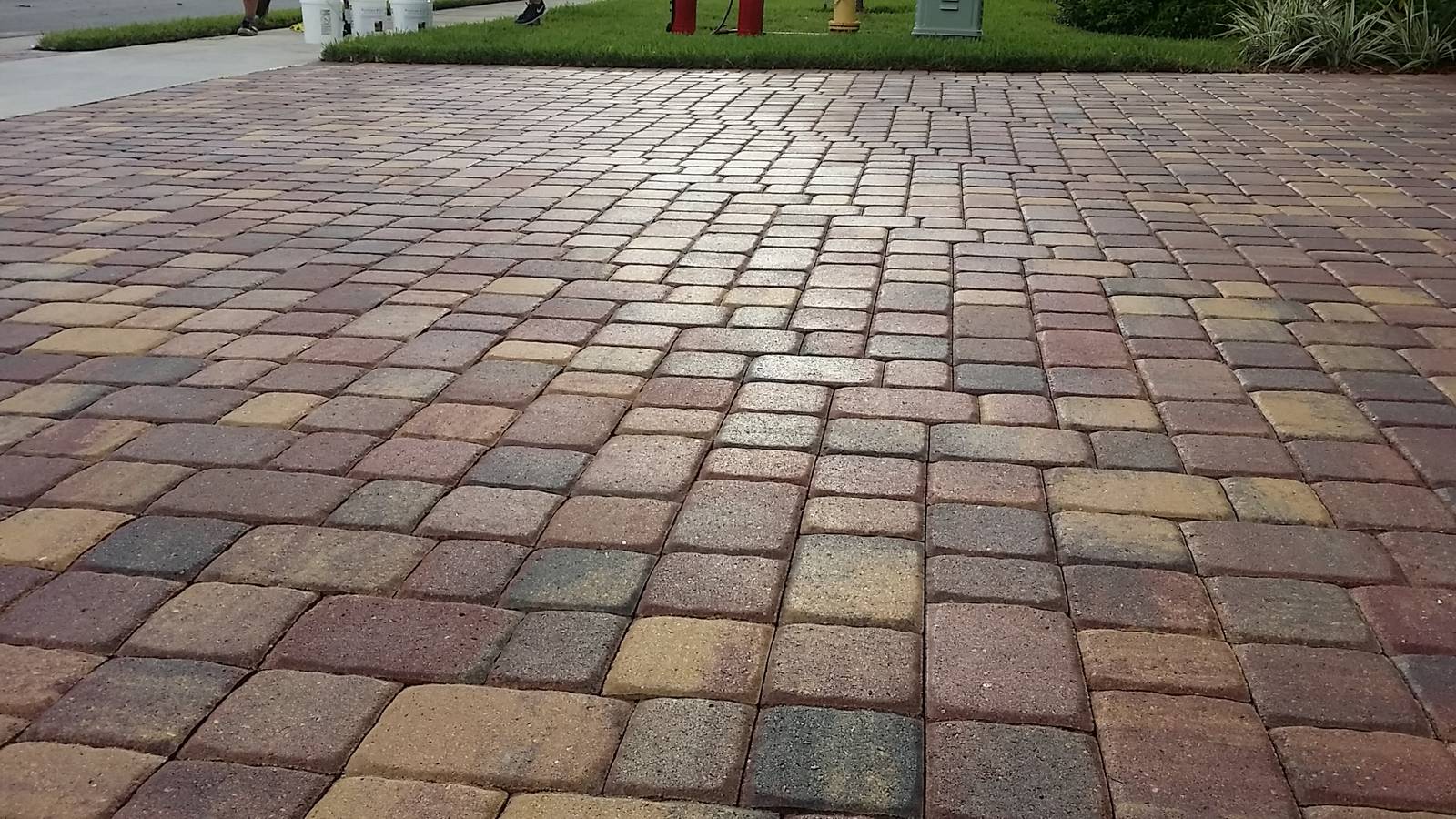
- Porous pavers or stamped concrete that should look wet and richer: start with SilaCast BES.
- Tighter stone such as travertine or Spanish tile that should shine: look at TravaCast, and plan for a non-slip additive around water.
- Sun-faded surfaces that need enhancement plus more surface hold and a higher shine: look at Shine-a-Cast.
- Old film-forming sealer that is peeling, flaking, or incompatible: plan on StripaCast first, then the right sealer for the surface.
In this climate, a well-prepared application often holds in the two-to-three-year range, with driveways usually wearing faster than a patio or pool deck. These products are single-component, so they are not mixed or thinned on site. If the pavers are thin-set over a slab, or an unknown film is already on the surface, confirm compatibility and moisture conditions before anything goes down.
FAQ
Can I use SilaCast on concrete and Deco 20 on pavers?
Use the product for the surface and the finish. Deco 20 Clear is the penetrating option for concrete that should stay natural. SilaCast BES is the enhancing option for porous pavers and similar masonry.
Do I need a different sealer for a pool deck?
You may. Pool decks are often travertine, thin-set pavers, or textured concrete, and slip resistance matters. Let the material drive the choice.
What if the existing sealer cannot be identified?
Do not guess, and do not layer products just to finish the job. Test a small area, check the technical data sheet, and strip if the existing film is unknown, failing, or incompatible.
Have a question this guide did not cover? Send it in—it may become a future post.


Leave a Reply